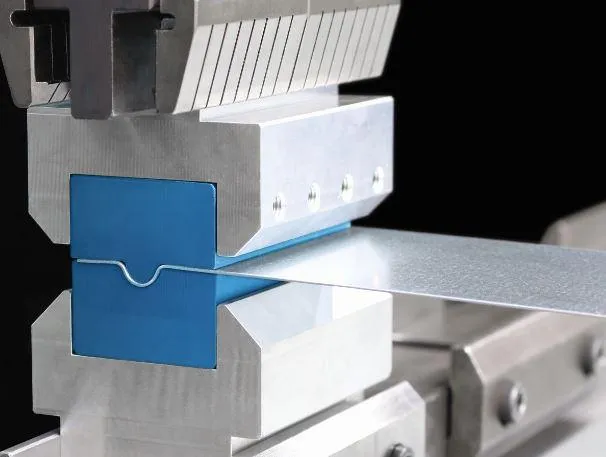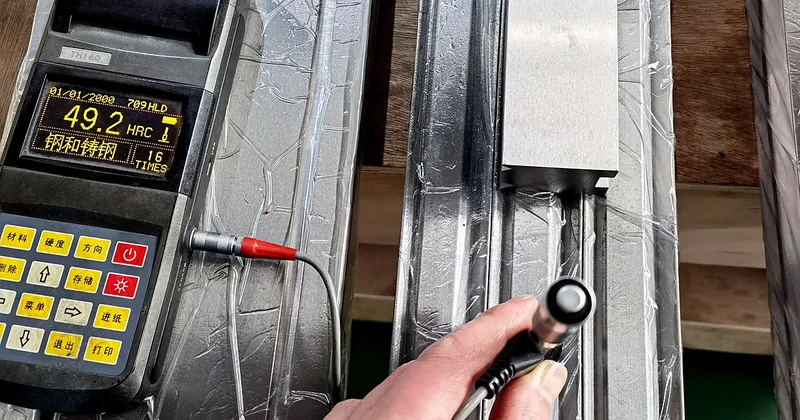
42CrMo is usually selected for press brake tooling that needs higher strength, better toughness and longer service life under repeated bending loads. C45 can be a practical option for simpler tooling, lower-volume bending or cost-sensitive applications. The right material depends on sheet thickness, bending frequency, tool profile, hardness requirement and whether the tooling will be standard or custom-made.
Choosing the right press brake tooling material is not only a material cost decision. It affects wear resistance, bending accuracy, risk of chipping, grinding stability and how long the punch or die can keep a reliable working surface.
For buyers comparing custom punches, V dies, hemming tools or segmented tooling sets, 42CrMo and C45 are two common material options. This guide explains how they differ and when each one makes sense.
What Is 42CrMo?
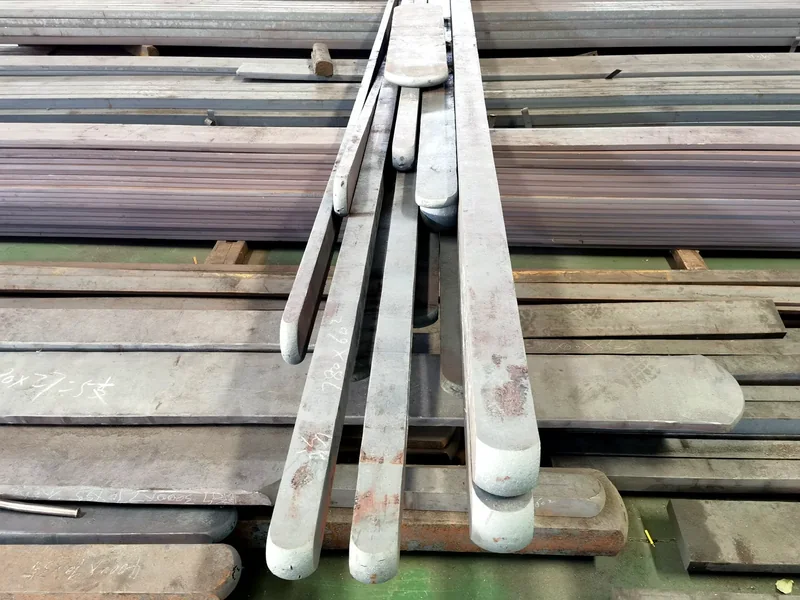
42CrMo is an alloy structural steel with chromium and molybdenum elements. In press brake tooling, it is often used when the tool needs a strong body, good toughness and stable performance after heat treatment.
Typical advantages of 42CrMo for press brake tooling include:
- Higher strength than ordinary medium carbon steel
- Good toughness after proper heat treatment
- Better resistance to repeated bending pressure
- Suitable for punches, dies and special forming tools
- Good choice for custom tooling with demanding profiles
42CrMo is commonly considered when the tooling will be used for medium to heavy-duty bending, repeated production work, thicker sheet metal or applications where tool failure would cause costly downtime.
What Is C45?
C45 is a medium carbon steel. It is easier to source and often more economical than alloy steel. For press brake tooling, C45 can be used for simple profiles, lower-duty bending tools, prototypes or tools where the working pressure and production volume are not extremely high.
Typical advantages of C45 include:
- Lower material cost
- Easier machining for basic tool shapes
- Suitable for some simple dies or support tooling
- Practical for low-volume or less demanding bending jobs
- Useful when budget is more important than long service life
C45 is not always the best choice for high-pressure tooling surfaces. If the tool will face frequent use, hard materials, narrow V openings or complex profiles, 42CrMo or another alloy/tool steel may be more reliable.
42CrMo vs C45 for Press Brake Tooling
| Factor | 42CrMo | C45 |
|---|---|---|
| Material type | Alloy steel | Medium carbon steel |
| Strength | Higher | Moderate |
| Toughness | Better after heat treatment | Moderate |
| Wear resistance | Better with proper processing | Lower in demanding use |
| Cost | Higher | Lower |
| Best for | Repeated bending, custom punches, dies, heavy-duty tools | Simple tooling, low-volume work, cost-sensitive tools |
| Risk in demanding use | Lower when processed correctly | Higher wear or deformation risk |
In simple terms, 42CrMo is usually the safer choice when tooling performance matters more than initial material cost. C45 may be acceptable when the application is light-duty, the profile is simple and the buyer wants a more economical solution.
When Should You Choose 42CrMo?
Choose 42CrMo when the tooling needs to handle repeated pressure and maintain dimensional stability over time.
It is especially suitable for:
- Custom press brake punches
- Custom V dies
- Gooseneck punches
- Hemming tools
- Offset tools
- Segmented tooling sets
- Tools for thicker sheet metal
- Tools for medium or high-volume production
For example, a custom punch with a narrow working tip needs both strength and toughness. If the material is too weak, the tip may wear quickly or become damaged during bending. 42CrMo gives the tool body better resistance against repeated load when the heat treatment and grinding process are controlled correctly.
When Can C45 Be Used?
C45 can be considered when the tooling does not need to work under severe pressure or long production cycles.
It may be suitable for:
- Simple forming blocks
- Basic dies for lighter bending
- Prototype tooling
- Low-frequency bending work
- Cost-sensitive replacement tools
- Support parts or non-critical tooling components
However, buyers should be careful when using C45 for high-stress punch tips, narrow V dies or tools used with harder sheet materials. The lower initial cost may not be worth it if the tool wears faster or needs replacement sooner.
Heat Treatment Matters as Much as Material
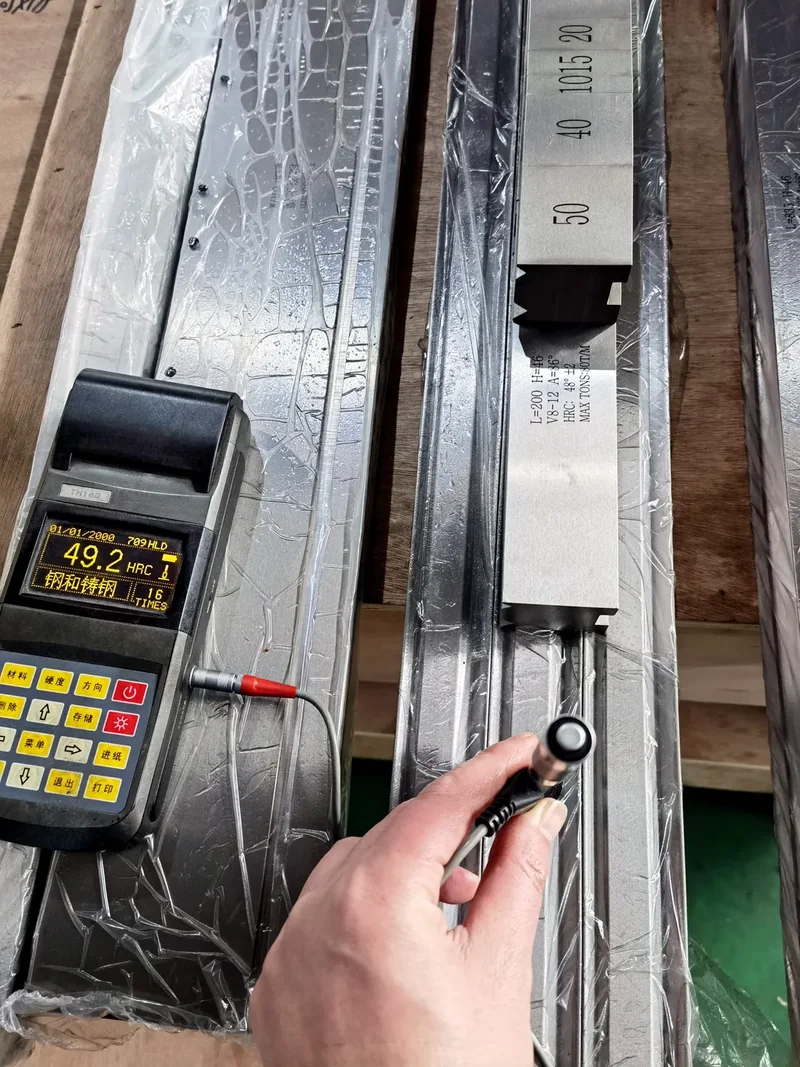
Material selection is only one part of press brake tooling performance. Heat treatment, hardness control and precision grinding are equally important.
For press brake punches and dies, poor heat treatment can cause problems such as:
- Uneven hardness
- Surface cracking
- Chipping at the working edge
- Dimensional change after processing
- Shorter tool life
Even a good material like 42CrMo will not perform well if the heat treatment is not controlled. For custom tooling, the manufacturer should confirm the material grade, target hardness, working surface requirement and inspection process before production.
How Material Affects Punches and Dies Differently
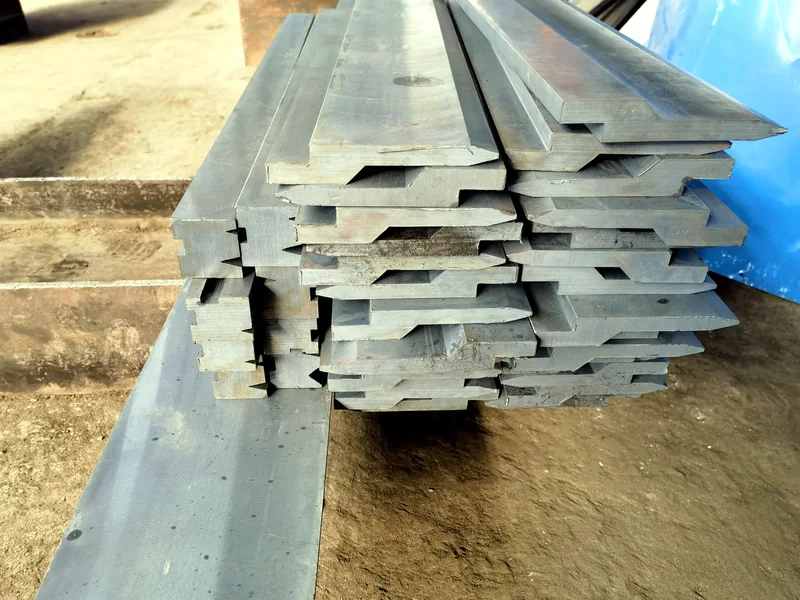
Press brake punches and dies do not always fail in the same way.
Punches often need strong tips and good toughness because the force is concentrated through the punch nose. Gooseneck punches and special forming punches may also have thinner sections, making material strength more important.
Dies need stable V openings and working shoulders. If the die surface wears or deforms, bending angles may become inconsistent. For multi V dies or narrow V openings, material and hardness should be selected carefully.
This is why many buyers choose stronger material for the punch or working die surface, especially when the tool is used for repeat production.
What Information Should Buyers Provide?
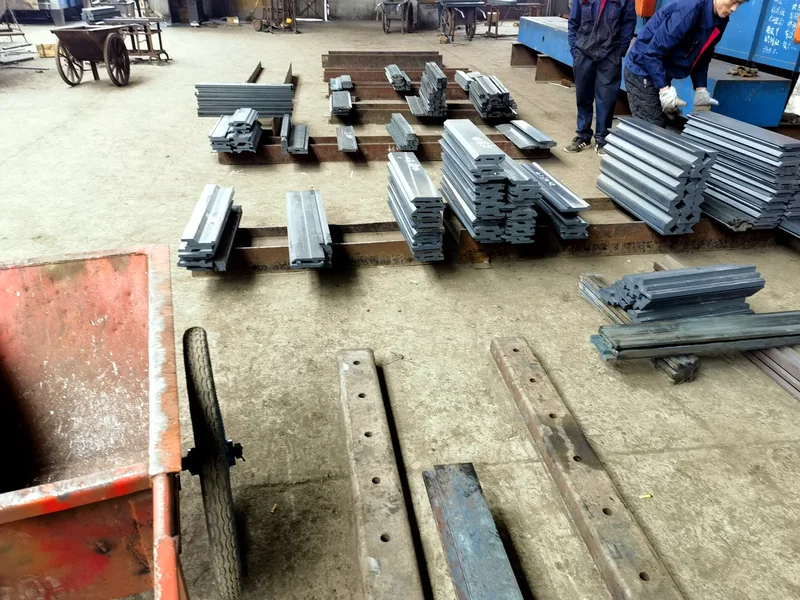
Before choosing 42CrMo or C45, send the tooling supplier enough application details. This helps avoid choosing a material only by price.
Useful information includes:
- Tooling drawing or sample photo
- Press brake tooling style, such as Amada, Wila or European style
- Punch or die length
- Sheet metal material
- Sheet thickness
- Bending angle
- V opening requirement
- Production quantity or expected bending frequency
- Hardness or surface treatment requirement
For custom press brake tooling, drawings are especially important. A small change in profile, tip radius or V opening can change the material recommendation.
Practical Selection Guide
Use this simple guide when comparing material options:
| Application | Recommended material direction |
|---|---|
| High-volume bending | Prefer 42CrMo or stronger tooling steel |
| Custom punch with narrow tip | Prefer 42CrMo |
| Simple low-volume die | C45 may be considered |
| Thick sheet metal bending | Prefer 42CrMo |
| Prototype or temporary tooling | C45 may be acceptable |
| Segmented tooling for frequent setup | Prefer 42CrMo |
| Hemming or forming tools | Prefer 42CrMo or another suitable alloy/tool steel |
If the tooling is important to production stability, choose the material based on service life, not only the purchase price.
FAQ
Is 42CrMo better than C45 for press brake tooling?
For many production bending applications, yes. 42CrMo generally offers better strength and toughness than C45, making it more suitable for repeated use, custom profiles and higher-load tooling.
Is C45 too weak for press brake dies?
Not always. C45 can be used for some simple or light-duty dies, especially when production volume is low. For demanding bending work, thicker materials or long service life, 42CrMo or another stronger tooling material is usually a better choice.
Does hardness matter more than material grade?
Both matter. Material grade provides the base performance, while heat treatment and hardness control determine how the tool behaves in actual bending. Poor heat treatment can reduce the benefit of a good material.
What material should I choose for custom press brake tooling?
For custom punches, dies, hemming tools, offset tools or segmented tooling, 42CrMo is often a stronger starting point than C45. The final choice should be based on drawing, bending material, sheet thickness, tolerance and production volume.
Work With Anhui Tooling
Anhui Tooling manufactures standard and custom press brake tooling, including punches, dies, segmented tooling sets and special forming tools. If you are choosing between 42CrMo, C45 or another tooling material, send your drawings, photos or bending requirements for review.
Explore our press brake tooling or send requirements for custom press brake tooling made from drawings.