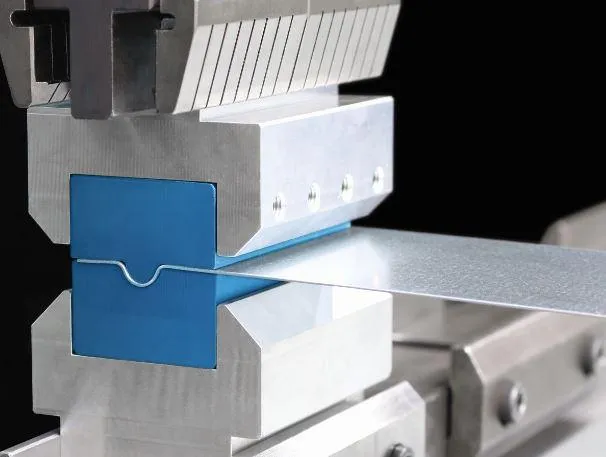
Press brake tooling types include punches, dies, segmented tooling, die holders and special forming tools used to bend sheet metal into accurate angles and profiles. Choosing the correct tooling type helps improve bending accuracy, reduce setup time and make custom sheet metal parts easier to produce.
Quick Answer
The main press brake tooling types are standard punches, gooseneck punches, acute angle punches, radius punches, V-dies, hemming dies, 4-way dies, die holders and customized tools made from part drawings. The right choice depends on material thickness, bend angle, inside radius, flange length, machine system and production volume.
Common Press Brake Punch Types
Press brake punches are the upper tools that press the sheet metal into the die. Different punch shapes are used for different part geometries and bending requirements.
- Standard punch: suitable for common air bending and general sheet metal parts.
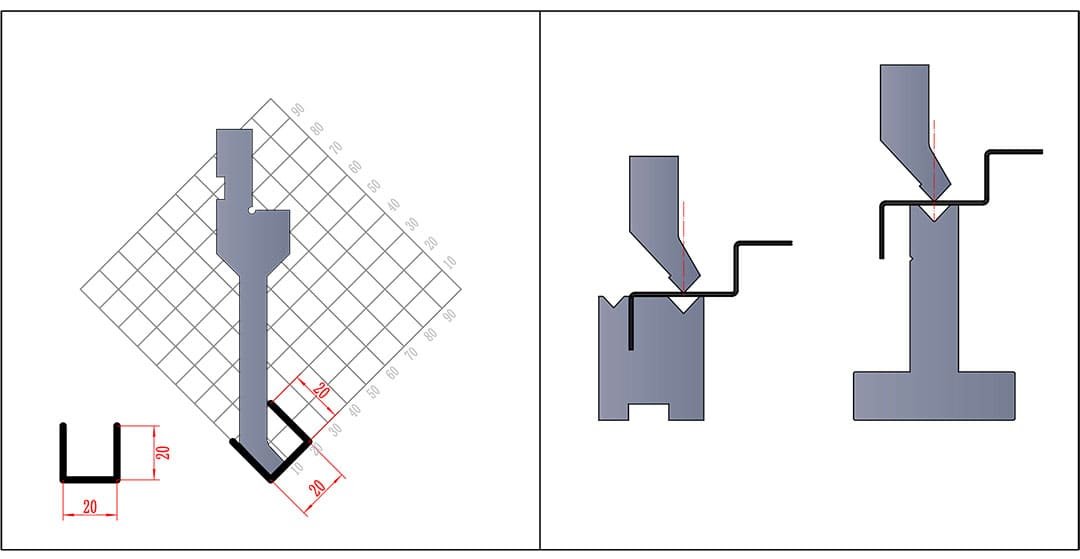
- Gooseneck punch: used for deep boxes, return flanges and parts that need extra clearance.
- Acute angle punch: used when the part requires sharp or small-angle bends.
- Radius punch: used when a larger inside radius or smooth bend surface is required.
- Narrow punch: used for tight spaces and narrow profile bending.
Common Press Brake Die Types
Press brake dies are the lower tools that support the sheet metal during bending. The die opening, shoulder radius and die height all affect bending accuracy and part quality.
- Single V-die: a common die for general air bending.
- Multi-V die: provides several V openings in one tool for different material thicknesses.
- Hemming die: used to create flattened hems and closed edges.
- 4-way die: offers multiple die openings and is useful for flexible production.
- Radius die: used for larger-radius bends or special forming requirements.
If you are not sure how the die opening affects bending, review this guide about press brake V-die opening.
Press Brake Tooling Type Comparison Table
| Tooling Type | Best For | Main Benefit |
|---|---|---|
| Standard punch | General sheet metal bending | Fast setup and wide compatibility |
| Gooseneck punch | Deep boxes and return flanges | More clearance during bending |
| V-die | Common air bending | Flexible use for different bend angles |
| Hemming die | Flattened hems and closed edges | Clean folded edges |
| Segmented tooling | Boxes, panels and short flanges | Flexible length combinations |
| Custom tooling | Special profiles or high-volume parts | Made according to drawings or samples |
Segmented Press Brake Tooling
Segmented tooling helps operators bend different workpiece lengths without changing a full-length tool. Short segments can be combined or removed to fit boxes, panels and parts with side flanges.
Tool length segmentation is especially useful when producing many different part sizes. It also helps reduce setup time and improves flexibility for small-batch production.
General Standard Press Brake Tools
Standard press brake tools are suitable for many daily bending jobs. They are easier to replace because the dimensions and tool interfaces are consistent. This helps reduce adjustment time when replacing punches and dies.
Standard tools are often the best choice when the part design is simple, the bend angle is common and the production does not require a special profile.
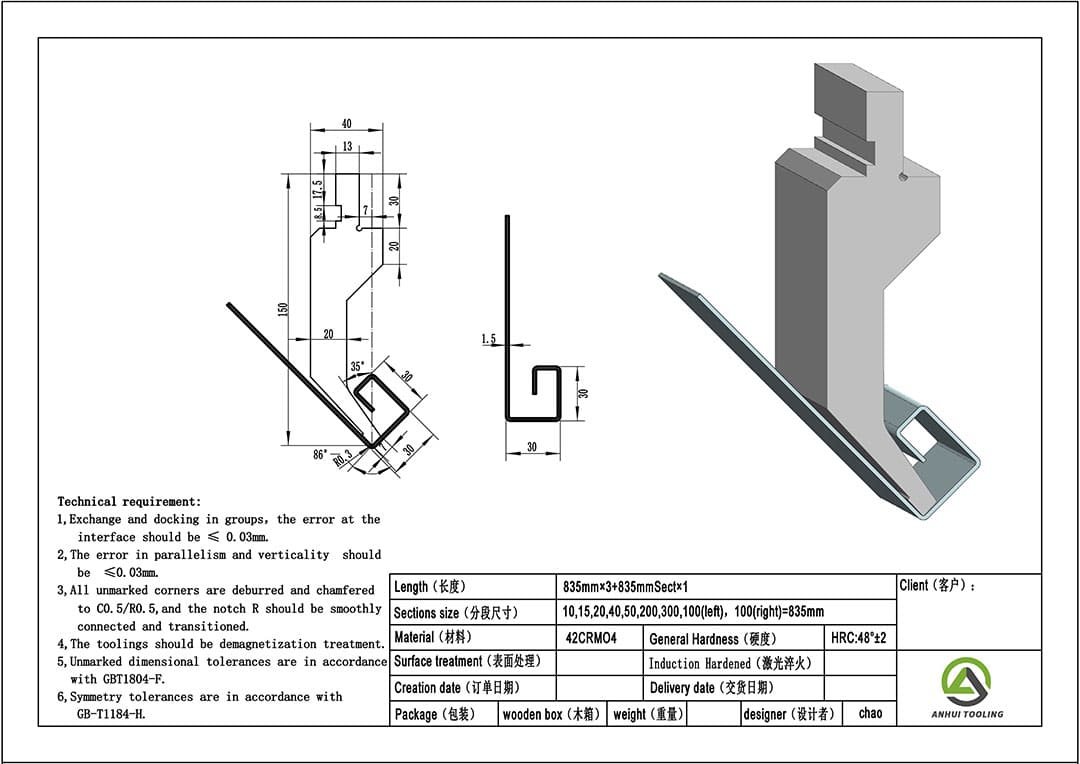
How to Choose the Right Press Brake Tooling Type
Choosing the right tooling type starts with the part drawing. The drawing should show material thickness, bend angle, inside radius, flange length and any special clearance requirements. These details help decide whether a standard tool is enough or whether a special punch, die or custom tool is needed.
For normal sheet metal bending, a standard punch and V-die are often suitable. For deeper boxes, narrow return flanges or parts with interference near the bend line, a gooseneck punch or special profile may be required. For short flanges and mixed part lengths, segmented tooling is usually more efficient.
The best choice is not always the most complex tool. A simple standard tool is often better for repeatable daily production, while custom tooling should be used when it solves a real bending problem, improves part accuracy or reduces repeated setup time.
Press Brake Tooling Compatibility by System
Press brake tooling also needs to match the machine clamping system. Common systems include European style, Amada style, LVD style, Trumpf style, Wila style and American style tooling. The same part may require a different shank, height or clamping interface depending on the press brake model.
If your machine uses European style tooling, you can review our European precision style press brake tooling page. For custom projects, Anhui Tooling can check the drawing and machine information before recommending the tooling structure.
Custom Press Brake Tooling Materials and Heat Treatment
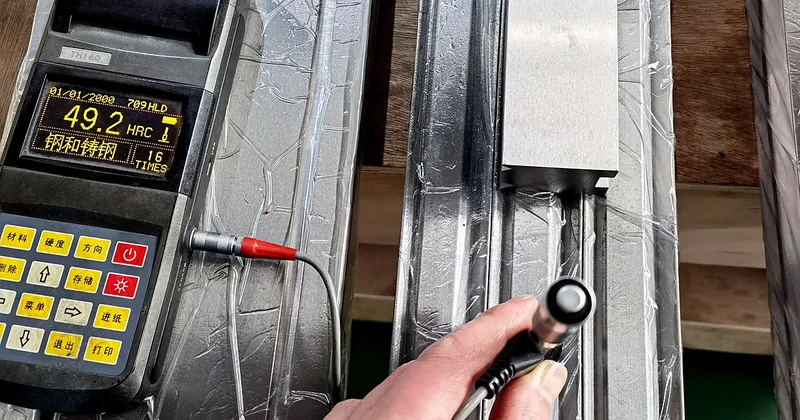
Tooling material and heat treatment affect wear resistance, service life and bending accuracy. For standard and custom press brake tooling, common choices include high-quality tool steel with proper hardening, grinding and surface treatment according to the application.
For abrasive materials, high-volume production or parts that require a clean surface, the tooling surface treatment becomes more important. Options such as precision grinding, coating or local hardening can help reduce wear and improve long-term bending consistency.
When to Use Special Press Brake Tooling
Special press brake tooling is useful when a normal punch and die cannot finish the part safely or efficiently. This may happen with deep channels, offset bends, large-radius bends, narrow return flanges, complex profiles or parts that require non-marking bending.
Before ordering special tooling, it is helpful to confirm the material, required bend sequence, press brake tonnage, tool height and available daylight. These checks reduce the risk of interference and help the tooling fit the real production process.
Special and Custom Press Brake Tooling
Custom press brake tooling is used when standard punches and dies cannot meet the part geometry, clearance, bend radius or production efficiency requirements. Custom tools can be designed from drawings, samples or bending process requirements.
Typical custom tooling projects include deep channel bending, offset bending, large radius bending, hemming, non-marking bending and tools for special machine interfaces. For selection steps, see our guide on how to choose the right press brake tooling.
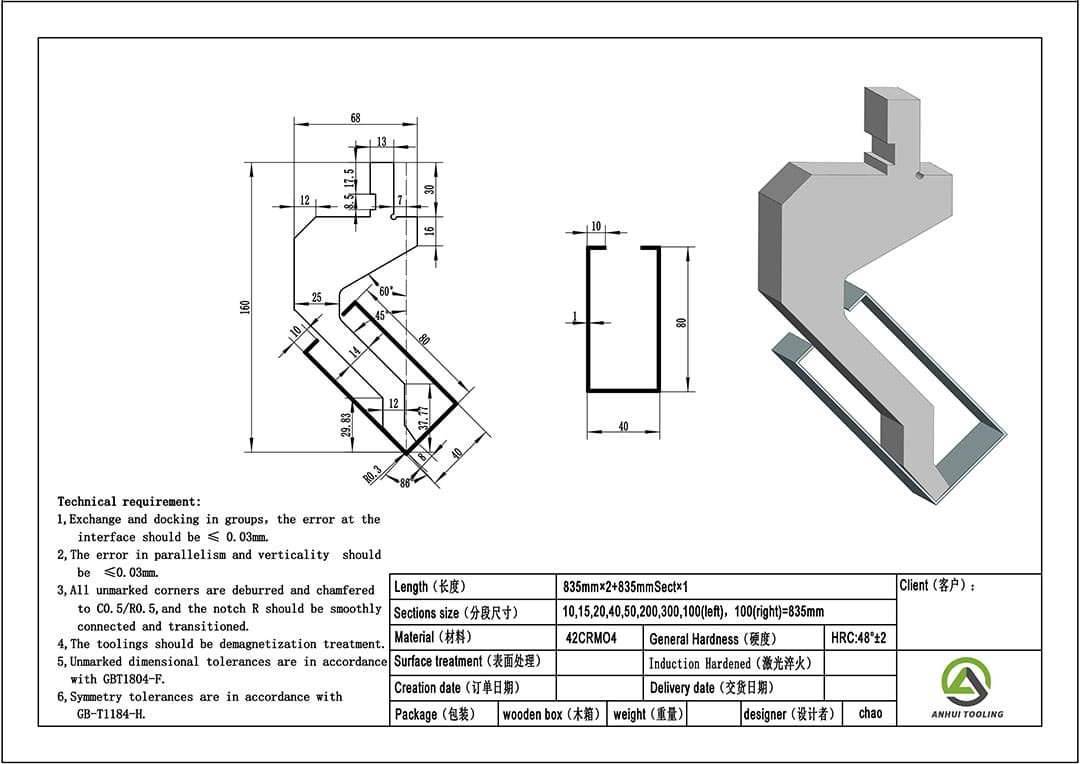
How Anhui Tooling Customizes Press Brake Tooling
Anhui Tooling can manufacture press brake punches, dies, segmented tooling and special tools according to drawings. To make the tooling recommendation more accurate, customers can provide material type, sheet thickness, bend angle, inside radius, part drawing and press brake model.
Our engineering team can review the bending requirement, tooling interface, profile shape and production quantity before making a tooling suggestion. This helps customers choose between standard tooling, modified standard tooling and fully custom press brake tooling.
If you are new to the topic, this basic guide explains what press brake tooling is and how punches and dies work together during bending.
FAQ
What are the main press brake tooling types?
The main press brake tooling types include standard punches, gooseneck punches, acute angle punches, radius punches, V-dies, hemming dies, 4-way dies, die holders and custom forming tools.
When should I choose custom press brake tooling?
Custom press brake tooling is recommended when standard tooling cannot meet special bend shapes, deep channels, narrow flanges, large-radius bends, non-marking requirements or high-volume production needs.
What information is needed for custom press brake tooling?
Useful information includes the part drawing, material type, sheet thickness, bend angle, inside radius, press brake model and any surface or tolerance requirements.